
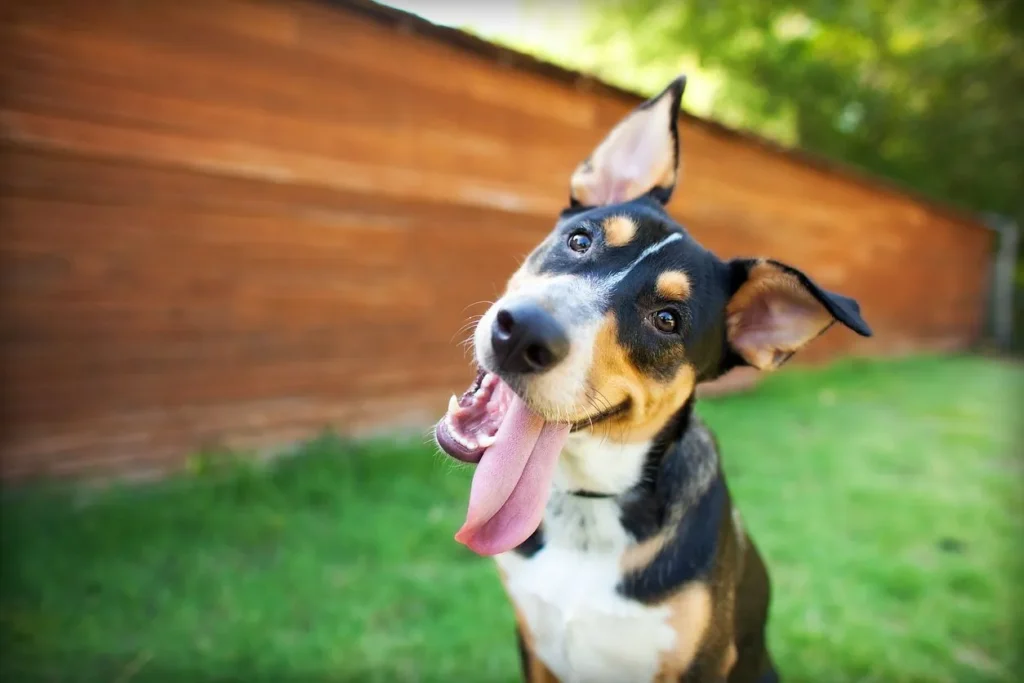
As dog owners, we all want the same thing: a happy, healthy companion who enjoys life and feels loved. Dogs may not be able to tell us how they’re feeling with words, but they communicate constantly through their actions, behavior, appearance, and energy levels.
Knowing the signs of a happy and healthy dog can help you better understand your furry friend and identify potential issues before they become serious. While every dog has its own unique personality, there are several common indicators that show your pet is thriving both physically and emotionally.
Here are ten clear signs that your dog is happy, healthy, and living their best life.
1. They Have Plenty of Energy and Enthusiasm
One of the most obvious signs of a healthy dog is a consistent level of energy. Healthy dogs are generally excited about daily activities such as walks, playtime, meals, and spending time with their family.
When you grab the leash, does your dog eagerly run to the door? Do they get excited when you return home? These are positive indicators that your dog feels good physically and mentally.
Of course, energy levels vary depending on age, breed, and individual temperament. A Border Collie, for instance, naturally has more energy than an English Bulldog, and a senior dog won’t be as active as a puppy. If your dog suddenly becomes lethargic or loses interest in activities they once loved, it may be time to consult your veterinarian.
2. Their Appetite Is Healthy
Dogs that are feeling well usually have a healthy appetite. They look forward to mealtime and eat their food without hesitation.
A good appetite indicates that your dog’s digestive system is functioning properly and that they are receiving the nutrients they need. Most healthy dogs maintain a regular eating schedule and show excitement when food is being prepared.
However, changes in appetite can be an early warning sign of health issues. A sudden refusal to eat, excessive hunger, or noticeable weight changes should never be ignored.
Monitoring your dog’s eating habits is one of the simplest ways to keep track of their overall health.
3. Their Coat Is Shiny and Their Skin Is Healthy
A dog’s coat can reveal a lot about their physical condition. Healthy dogs typically have shiny, smooth fur and skin that is free from excessive redness, irritation, or flaking.
The appearance of your dog’s coat is often directly linked to proper nutrition, hydration, and overall wellness. Regular grooming can also help maintain coat health while allowing you to check for abnormalities such as lumps, bumps, parasites, or skin infections.
Warning signs that may indicate health concerns include:
- Excessive shedding
- Bald patches
- Persistent scratching
- Dull or brittle fur
- Red or inflamed skin/Allergies
- Hot spots
A glossy coat and healthy skin are often visible signs that your dog is receiving excellent care.
4. They Maintain a Healthy Weight
Weight plays a major role in a dog’s overall health and quality of life. Dogs that maintain a healthy weight are generally more active, experience fewer joint problems, and have a lower risk of developing chronic diseases.
You should be able to feel your dog’s ribs without pressing too hard, but they should not be prominently visible. From above, your dog should have a noticeable waistline.
Obesity has become increasingly common among pets and can contribute to conditions such as:
- Arthritis
- Diabetes
- Heart disease
- Respiratory problems
- Reduced mobility
Likewise, being underweight can signal nutritional deficiencies or underlying health issues.
Regular exercise and a balanced diet are essential for helping your dog stay within a healthy weight range.
5. They Enjoy Social Interaction
Happy dogs usually enjoy spending time with the people and animals they trust. While some dogs are naturally more independent than others, most healthy dogs seek out interaction with family members and participate in daily household activities.
Signs of healthy social behavior include:
- Greeting family members enthusiastically
- Seeking affection
- Enjoying playtime
- Following you from room to room
- Relaxing comfortably around trusted people
Dogs are social animals by nature. Positive interactions help reduce stress, provide mental stimulation, and strengthen the bond between pets and owners.
If a previously social dog suddenly becomes withdrawn or avoids contact, it may indicate illness, discomfort, or emotional distress.
6. Their Eyes Are Bright and Alert
The eyes are often referred to as the windows to the soul, and they can also provide valuable clues about your dog’s health.
Healthy dogs typically have eyes that are:
- Bright
- Clear
- Moist
- Alert
- Free from excessive discharge
A happy dog often makes eye contact with trusted family members and appears engaged with their surroundings.
Signs that warrant attention include:
- Redness
- Cloudiness
- Excessive tearing
- Yellowing
- Squinting
- Thick discharge
Regularly checking your dog’s eyes can help you identify problems early and ensure they continue to see the world comfortably.
7. They Sleep Comfortably and Consistently
Just like humans, dogs need quality sleep to maintain good health. Healthy adult dogs typically sleep between 12 and 14 hours per day, although puppies and seniors may sleep even more.
A happy dog usually settles down easily and appears relaxed while sleeping. They wake up refreshed and ready to participate in daily activities.
Watch for changes such as:
- Restlessness during sleep
- Excessive sleeping
- Difficulty getting comfortable
- Frequent waking
- Sudden changes in sleep patterns
While occasional variations are normal, persistent disruptions may signal discomfort, pain, or illness.
A dog that enjoys peaceful, restorative sleep is often a dog that feels safe, secure, and healthy.
8. Their Digestion Is Regular
Digestive health is a major component of overall wellness. Healthy dogs generally have regular bowel movements and produce stools that are firm and easy to pick up.
Normal digestion often includes:
- Consistent bowel habits
- Minimal gas
- No vomiting
- Healthy appetite
- Stable weight
Occasional digestive upset can happen, especially if your dog eats something unusual. However, frequent diarrhea, vomiting, constipation, or significant changes in stool appearance should be evaluated by a veterinarian.
Many pet owners underestimate how much digestive health impacts mood, energy, and quality of life. A healthy gut often contributes to a happier dog.
9. They Display Relaxed Body Language
Dogs communicate a great deal through body language. Happy and healthy dogs tend to exhibit relaxed, confident postures that indicate they feel comfortable in their environment.
Common signs of positive body language include:
- A relaxed tail
- Soft facial expressions
- Loose body posture
- Play bows
- Gentle wagging
- Relaxed ears
Many happy dogs also display what owners affectionately call a “smile,” characterized by a relaxed mouth and soft expression.
On the other hand, signs of stress or discomfort may include:
- Tucked tail
- Excessive panting
- Lip licking
- Avoiding eye contact
- Trembling
- Stiff posture
Learning to read your dog’s body language can significantly improve your ability to understand their emotional and physical well-being.
10. They Show Curiosity and Interest in Life
Perhaps the strongest sign of a happy dog is a genuine interest in the world around them. Healthy dogs are curious creatures who enjoy exploring new sights, smells, sounds, and experiences.
A curious dog may:
- Investigate new environments
- Sniff interesting scents
- Enjoy walks
- Engage with toys
- Learn new tricks
- Participate in family activities
Mental stimulation is just as important as physical exercise. Dogs that remain curious and engaged tend to experience lower stress levels and better overall emotional health.
Curiosity demonstrates confidence, comfort, and cognitive wellness. It’s a wonderful sign that your dog feels secure and enjoys life.
Bonus Signs Your Dog Is Thriving
Beyond the top ten indicators, there are several additional signs that suggest your dog is living a happy and healthy life:
They Enjoy Playtime
Play is a natural behavior that helps dogs stay active and mentally stimulated. Whether it’s fetch, tug-of-war, or chasing a favorite toy, playful behavior is a strong indicator of well-being.
They Recover Quickly After Exercise
Healthy dogs generally bounce back after physical activity without prolonged fatigue or discomfort.
They Respond to Training
A dog that is focused, attentive, and eager to learn often feels physically and mentally well.
They Form Strong Bonds
Dogs that seek companionship and trust their owners typically experience greater emotional security and happiness.
How to Keep Your Dog Happy and Healthy
Recognizing the signs of wellness is important, but maintaining your dog’s health requires ongoing care and attention.
Here are some key ways to support your dog’s well-being:
Provide Quality Nutrition
Feed a balanced diet appropriate for your dog’s age, breed, size, and activity level.
Schedule Regular Veterinary Visits
Routine checkups can identify health concerns before they become serious.
Exercise Daily
Regular physical activity helps maintain healthy weight, strong muscles, and mental stimulation.
Offer Mental Enrichment
Puzzle toys, training sessions, scent games, and interactive play can keep your dog’s mind engaged.
Prioritize Dental Care
Healthy teeth and gums contribute significantly to overall wellness.
Give Plenty of Love and Attention
Positive interactions strengthen your bond and provide emotional security.
Final Thoughts
Every dog is unique, but the signs of happiness and good health are often easy to recognize once you know what to look for. A healthy appetite, shiny coat, bright eyes, consistent energy, relaxed body language, and a curious attitude toward life all suggest that your dog is thriving.
By paying attention to these indicators and providing proper nutrition, exercise, veterinary care, and affection, you can help ensure your canine companion enjoys a long, healthy, and happy life.
The better we understand our dogs, the better we can meet their needs—and there’s no greater reward than seeing a beloved pet wagging their tail and enjoying every day by our side.