
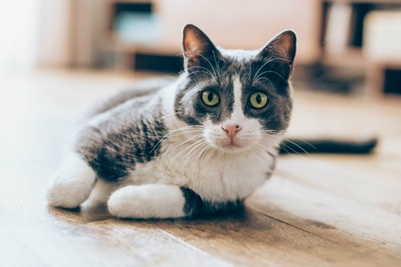
Cats have a reputation for being mysterious, independent, and sometimes downright confusing. One moment they’re purring contentedly in your lap, and the next they’re sprinting through the house at full speed for no apparent reason. While these behaviors can seem puzzling, most have perfectly normal explanations rooted in instinct, communication, and emotion.
Understanding your cat’s behavior doesn’t just satisfy your curiosity—it helps you become a better pet owner and ensures your feline companion stays healthy, happy, and stress-free. It also provides peace of mind when you’re away from home and relying on a professional pet sitter to care for your beloved cat.
In this guide, we’ll explain the most common cat behaviors, what they mean, when you should be concerned, and how professional pet sitting services can help maintain your cat’s routine while you’re away.
Why Understanding Cat Behavior Matters
Cats communicate differently than dogs and humans. Instead of barking or obvious facial expressions, cats use body language, vocalizations, scent marking, and subtle movements to express themselves.
Learning to recognize these signals helps you:
- Build trust with your cat.
- Reduce stress and anxiety.
- Detect illness earlier.
- Prevent unwanted behaviors.
- Create a more enriching environment.
Whether you’re a first-time cat owner or have shared your home with felines for years, understanding their natural instincts makes life easier for everyone.
Why Do Cats Purr?
Purring is one of the most recognizable cat behaviors, but it isn’t always a sign of happiness.
Cats commonly purr when they are:
- Relaxed and comfortable
- Being petted
- Sleeping near trusted people
- Nursing as kittens
- Greeting familiar humans
However, cats may also purr when:
- They’re anxious
- They’re injured
- They’re in pain
- They’re recovering from illness
Experts believe purring may even promote healing by producing low-frequency vibrations that benefit muscles and bones.
If your normally quiet cat suddenly begins excessive purring while hiding or refusing food, it’s worth consulting your veterinarian.
Why Do Cats Knead Blankets and People?
Kneading—often called “making biscuits”—is when cats rhythmically push their paws against soft surfaces.
This behavior begins during kittenhood while nursing from their mother.
Adult cats continue kneading because it helps them:
- Feel safe
- Relax
- Mark territory through scent glands in their paws
- Prepare comfortable sleeping spots
If your cat kneads your lap, congratulations—they feel safe with you.
While kneading is perfectly normal, trimming your cat’s nails can make the experience much more comfortable.
Why Do Cats Zoom Around the House?
If you’ve ever witnessed your cat suddenly race through the hallway at incredible speed, you’ve experienced the famous “zoomies.”
These bursts of energy usually happen because cats are:
- Releasing stored energy
- Practicing hunting instincts
- Feeling playful
- Excited after using the litter box
- Most active during dawn and dusk
Indoor cats especially benefit from regular interactive play sessions that mimic hunting.
Try:
- Feather wands
- Laser pointers (always finish with a toy they can catch)
- Ball toys
- Puzzle feeders
Exercise helps reduce destructive behaviors while keeping cats physically healthy.
Why Do Cats Bring You Dead Animals or Toys?
Many owners wake up to find a toy mouse—or worse, a real mouse—on their doorstep.
Although unpleasant, your cat isn’t trying to upset you.
Cats may bring prey because they:
- View you as family
- Want to teach hunting skills
- Share food with trusted companions
- Display successful hunting behavior
Indoor cats often substitute toys for prey, especially if they receive regular enrichment.
Instead of punishing your cat, simply dispose of the prey and praise appropriate toy play.
Why Do Cats Scratch Furniture?
Scratching is completely natural.
Cats scratch to:
- Sharpen claws
- Stretch muscles
- Remove old claw sheaths
- Mark territory visually
- Leave scent through paw glands
Rather than trying to stop scratching entirely, redirect it.
Provide:
- Vertical scratching posts
- Horizontal scratchers
- Cardboard scratch pads
- Sisal-covered posts
Place scratchers near favorite sleeping spots and furniture your cat already scratches.
Positive reinforcement works much better than punishment.
Why Do Cats Knock Things Off Tables?
Many cat owners wonder why perfectly good objects mysteriously end up on the floor.
Cats knock items over because they’re:
- Curious
- Exploring movement
- Hunting
- Seeking attention
- Bored
Objects that move unpredictably satisfy a cat’s natural hunting instincts.
Providing daily enrichment and interactive toys often reduces this behavior.
Why Does My Cat Follow Me Everywhere?
Some cats become little shadows.
Following you around often means your cat:
- Enjoys your company
- Wants food
- Expects playtime
- Feels secure around you
- Is curious about your activities
Certain breeds, such as Siamese and Burmese cats, tend to be especially social.
However, sudden clinginess paired with unusual behavior could indicate illness or anxiety.
Why Do Cats Sleep So Much?
Cats spend between 12 and 16 hours sleeping every day, with some seniors sleeping even longer.
This behavior reflects their ancestry as predators.
Hunting requires explosive bursts of energy, followed by extended recovery periods.
Older cats naturally become less active.
As long as your cat:
- Eats normally
- Uses the litter box
- Interacts occasionally
- Maintains a healthy weight
Long naps are generally nothing to worry about.
Why Does My Cat Stare at Me?
Cats stare for many reasons.
Sometimes they’re:
- Waiting for food
- Asking for attention
- Curious
- Observing your behavior
Slow blinking, however, deserves special attention.
When a cat slowly closes and opens its eyes toward you, it’s often considered a sign of trust and affection.
Try returning the slow blink.
Many cats respond positively.
Why Do Cats Rub Against Your Legs?
When cats rub their faces or bodies against people, they’re performing a behavior called bunting.
Cats have scent glands around their:
- Cheeks
- Chin
- Forehead
- Tail base
Rubbing transfers their scent and marks you as part of their trusted social group.
It’s essentially your cat’s way of saying:
“You belong with me.”
Why Do Cats Chatter at Birds?
That adorable clicking noise cats make while watching birds through a window fascinates researchers.
The behavior may represent:
- Hunting excitement
- Frustration
- Instinctive bite preparation
- Mimicking prey sounds
Although scientists continue studying this behavior, it’s considered perfectly normal.
Providing window perches can safely satisfy your cat’s desire to observe wildlife.
Why Do Cats Hide?
Hiding is a natural survival instinct.
Cats often hide when they’re:
- Nervous
- Sick
- Meeting strangers
- Adjusting to a new home
- Recovering after stressful events
Always provide safe hiding places like:
- Cat caves
- Boxes
- Covered beds
- Elevated shelves
If your outgoing cat suddenly hides continuously while refusing food or water, schedule a veterinary examination.
Why Do Cats Meow?
Unlike many people realize, adult cats rarely meow to communicate with other cats.
They primarily meow to communicate with humans.
Different meows may signal:
- Hunger
- Greeting
- Attention seeking
- Loneliness
- Confusion
- Pain
Senior cats may also become more vocal due to age-related cognitive changes.
Learning your individual cat’s “vocabulary” strengthens your relationship.
Why Do Cats Groom Themselves So Often?
Cats spend a significant portion of every day grooming.
Self-grooming helps:
- Remove dirt
- Distribute natural oils
- Cool the body
- Reduce stress
- Maintain coat health
Excessive grooming, however, can indicate:
- Allergies
- Fleas
- Anxiety
- Skin disease
- Pain
Bald spots or irritated skin should always be evaluated by a veterinarian.
Why Do Cats Suddenly Bite During Petting?
Petting aggression surprises many owners.
A cat may appear relaxed before suddenly biting gently or swatting.
Possible reasons include:
- Overstimulation
- Sensitive skin
- Pain
- Wanting personal space
Watch for warning signs:
- Tail flicking
- Flattened ears
- Rippling skin
- Dilated pupils
Respecting these signals prevents future bites.
Why Do Cats Love Boxes?
Boxes provide security.
Small enclosed spaces help cats feel:
- Protected
- Warm
- Hidden from perceived threats
- Relaxed
Research has shown that cats with access to hiding spaces often adapt to new environments more quickly.
There’s no need to spend money on elaborate furniture if your cat happily claims every cardboard delivery box.
Why Routine Is So Important for Cats
Cats thrive on consistency.
Changes in routine may cause:
- Stress
- Appetite changes
- Litter box accidents
- Increased hiding
- Excessive vocalization
Major changes include:
- Moving homes
- House guests
- New pets
- Vacation schedules
Maintaining feeding times, play sessions, and litter box cleanliness helps reduce anxiety.
How Professional Pet Sitting Helps Reduce Cat Stress
Many cats prefer staying in their own homes rather than traveling to a boarding facility.
A professional pet sitter like Baring Life Pet Concierge serving Katy, Fulshear and Richmond, Texas allows your cat to remain in familiar surroundings while maintaining normal routines.
Professional cat sitting typically includes:
- Fresh food and water
- Daily litter box cleaning
- Medication administration if needed
- Interactive playtime
- Affection based on your cat’s comfort level
- Home security checks
- Updates and photos for owners
Keeping cats in their own environment often results in less stress, better appetite, and fewer behavioral changes while owners travel.
Experienced pet sitters also recognize early signs of illness or unusual behavior that might otherwise go unnoticed.
When Should You Worry About Cat Behavior?
Most unusual behaviors are harmless, but certain changes deserve prompt veterinary attention.
Watch for:
- Sudden aggression
- Complete loss of appetite
- Excessive hiding
- Difficulty using the litter box
- Persistent vomiting
- Rapid weight loss
- Labored breathing
- Extreme lethargy
- Excessive vocalization in older cats
Behavior changes are often one of the earliest indicators that something isn’t right.
Trust your instincts if your cat seems “off.”
Final Thoughts
Cats communicate constantly—it just isn’t always obvious to us. From purring and kneading to scratching, zoomies, and bringing home mysterious “gifts,” nearly every feline behavior has an explanation rooted in instinct, comfort, or communication.
By understanding these behaviors, you can strengthen your bond with your cat, identify potential health concerns earlier, and create an environment where they feel secure and happy.
When travel takes you away from home, maintaining your cat’s familiar routine becomes even more important. A professional pet-sitting service provides personalized care in the comfort of your cat’s own home, minimizing stress while ensuring they receive the attention, play, and care they deserve.
Whether your cat is a playful kitten, an independent adult, or a senior companion, understanding what they’re trying to tell you is one of the best gifts you can give—and one of the best ways to ensure they live a healthy, happy life.